Research
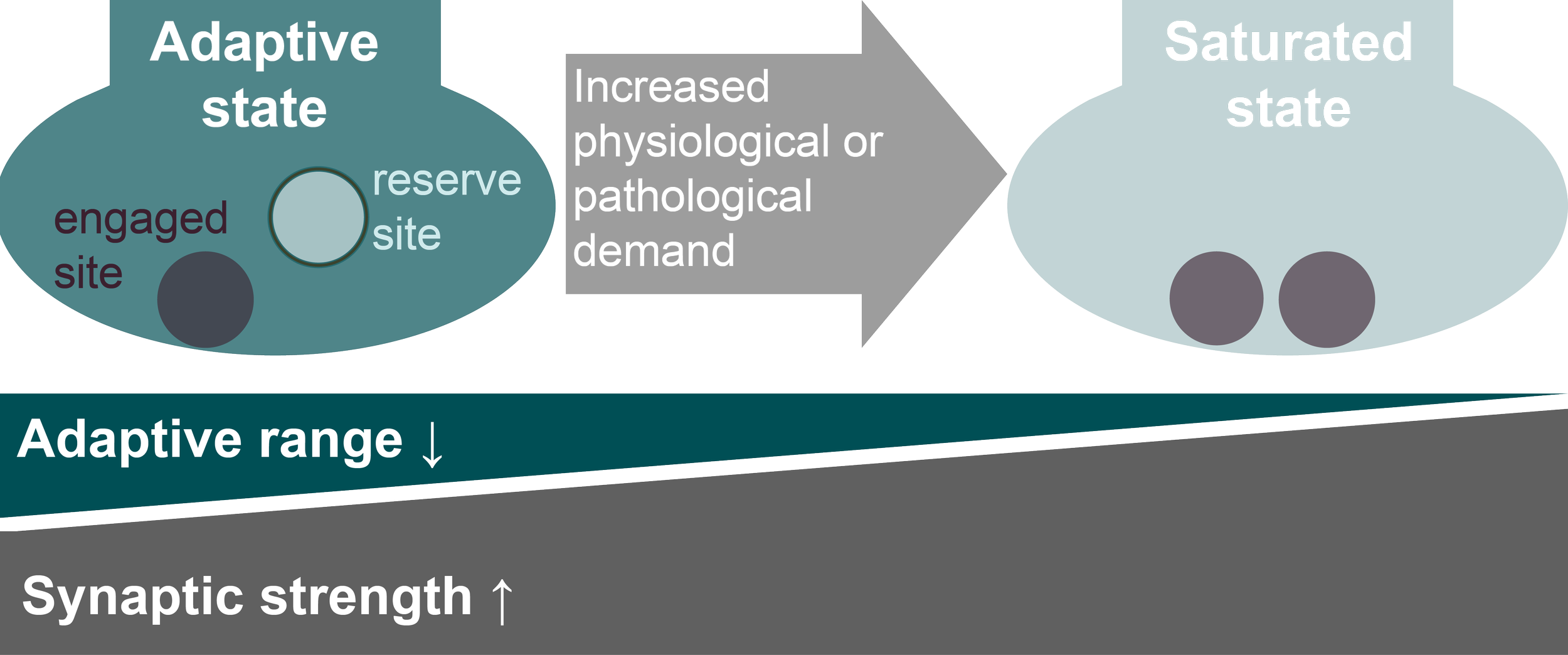
Our laboratory investigates the principles that enable neural circuits to compute, adapt, and remain functional across changing physiological conditions and neurological disease. By integrating quantitative neurophysiology, advanced imaging, computational biology, and cross-species experimental systems, we develop mechanistic and predictive explanations of how molecular and cellular processes shape circuit stability, behavioral flexibility, and nervous system function.
Neural Computation
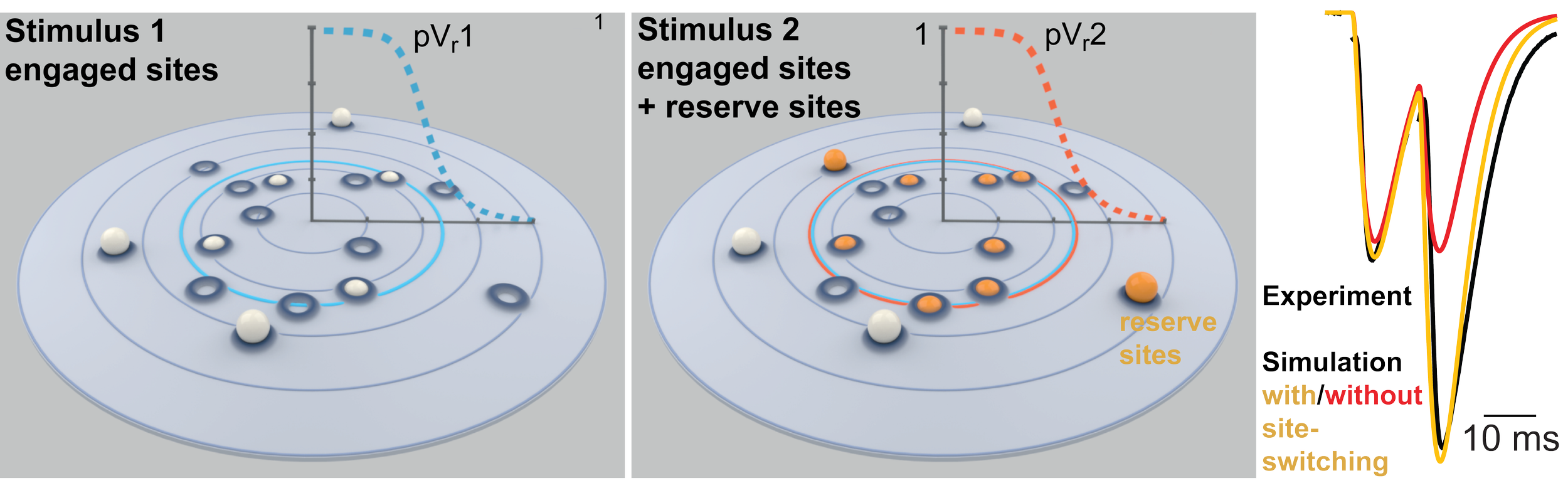
Neural circuits continuously transform patterned electrical activity into meaningful information. We investigate how millisecond-scale regulation of neurotransmitter release shapes neural computation through short-term synaptic plasticity, temporal coding, and neuromodulatory signaling. By combining quantitative electrophysiology and advanced imaging with mechanistic modeling, parameter inference, and simulation, we seek to identify the principles that govern synaptic information processing and generate experimentally testable predictions across a wide range of physiological conditions.
Synaptic Adaptation & Resilience
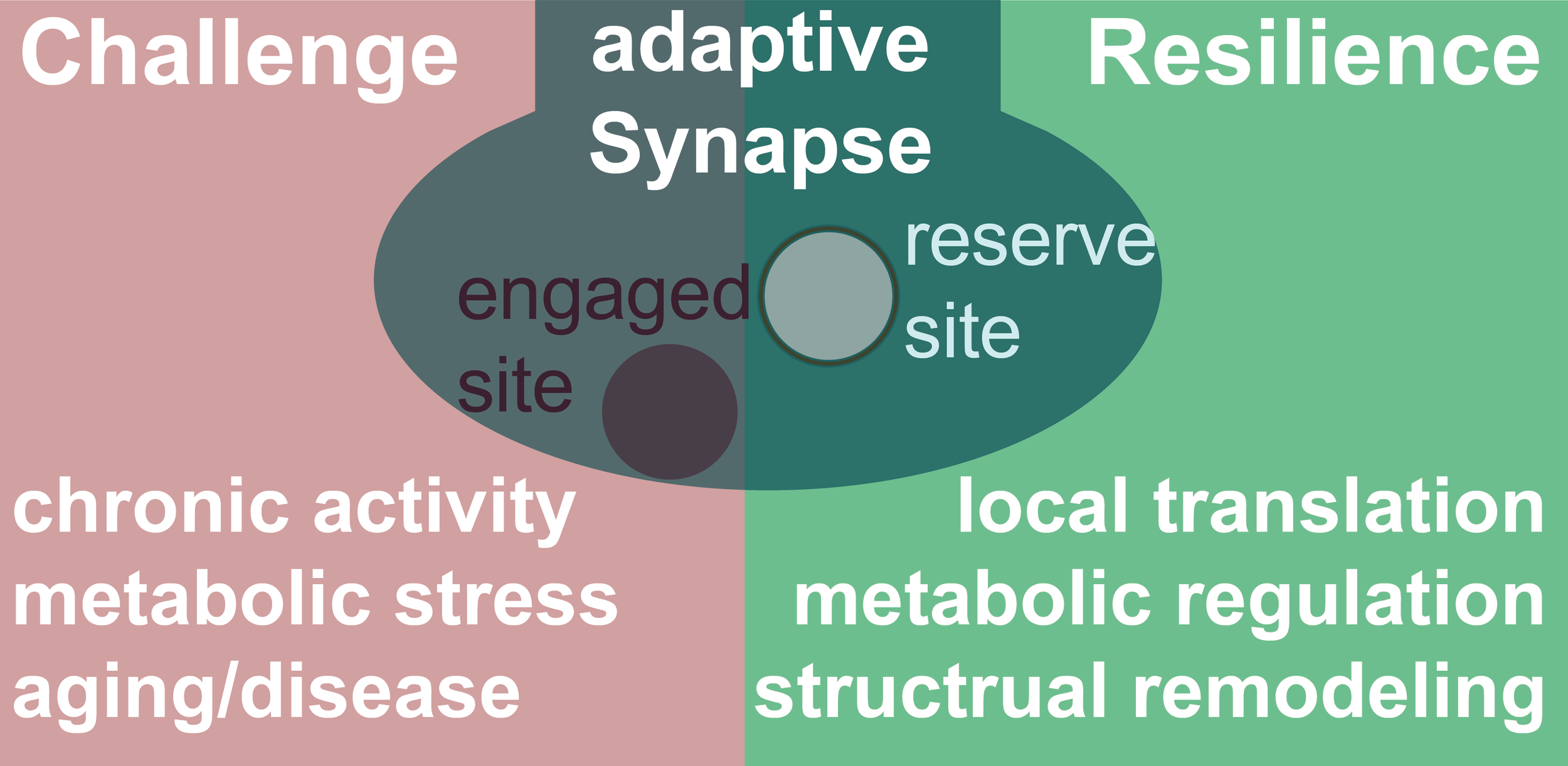
Neural computation must remain reliable despite changing physiological demands and environmental challenges. We investigate how synapses preserve and adapt their computational properties over timescales ranging from minutes to days through homeostatic plasticity, local protein synthesis, metabolic regulation, and structural remodeling. By linking molecular and synaptic mechanisms to circuit and organismal responses, we examine how neural function remains resilient during altered activity, metabolic stress, aging, and disease. Our work aims to reveal the mechanisms that maintain stable information processing while enabling long-term functional flexibility.
Human Disease Models
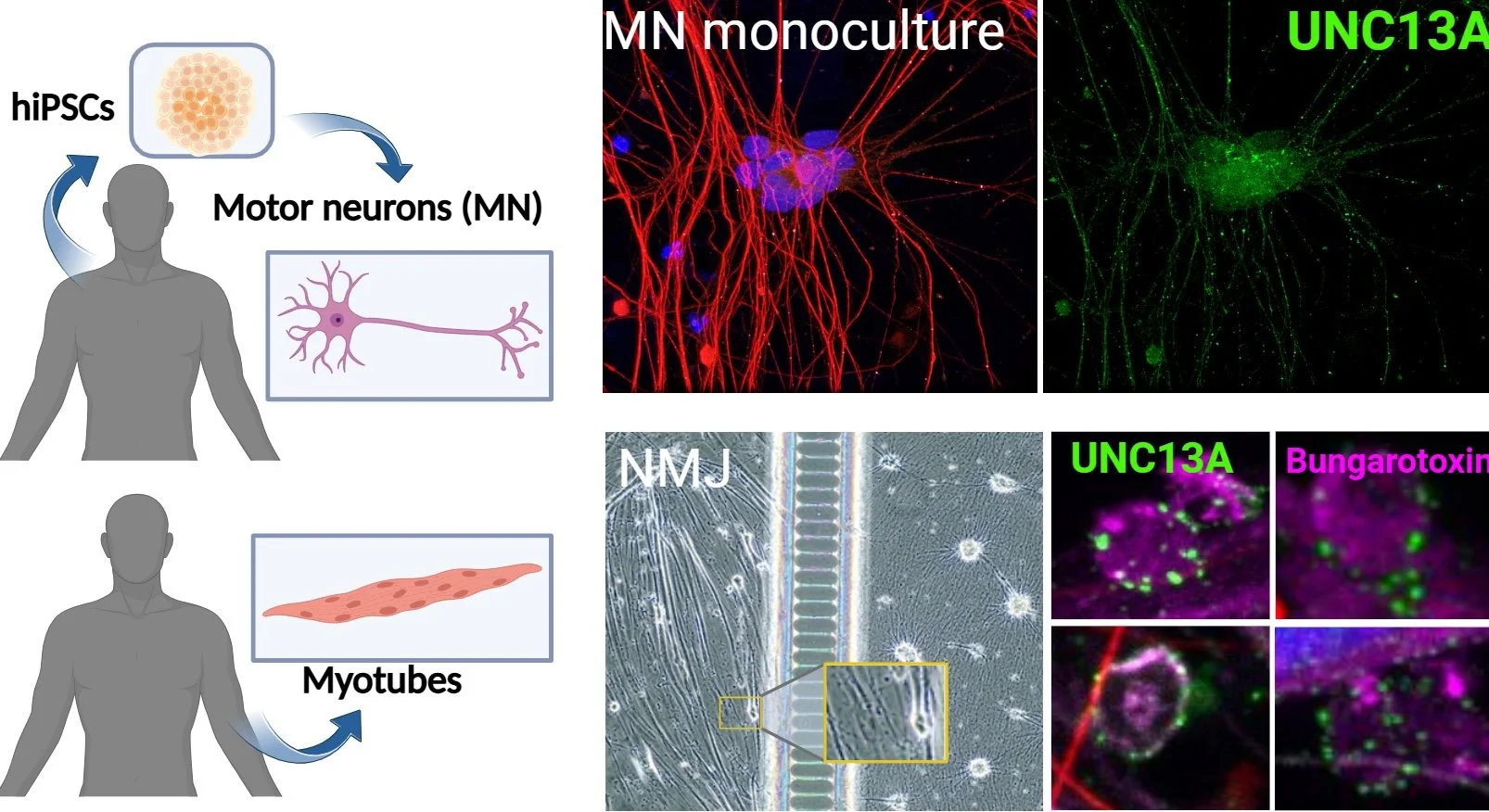
Understanding the principles of neural computation and resilience provides a foundation for discovering why synapses fail in neurological disease. We combine patient-derived induced pluripotent stem cell (iPSC) neurons with quantitative functional assays to investigate how disease-associated genetic variation disrupts presynaptic function and adaptive plasticity. By translating mechanistic insights from genetically tractable model systems into human neurons, we aim to uncover conserved mechanisms of synaptic resilience and identify new therapeutic opportunities.